
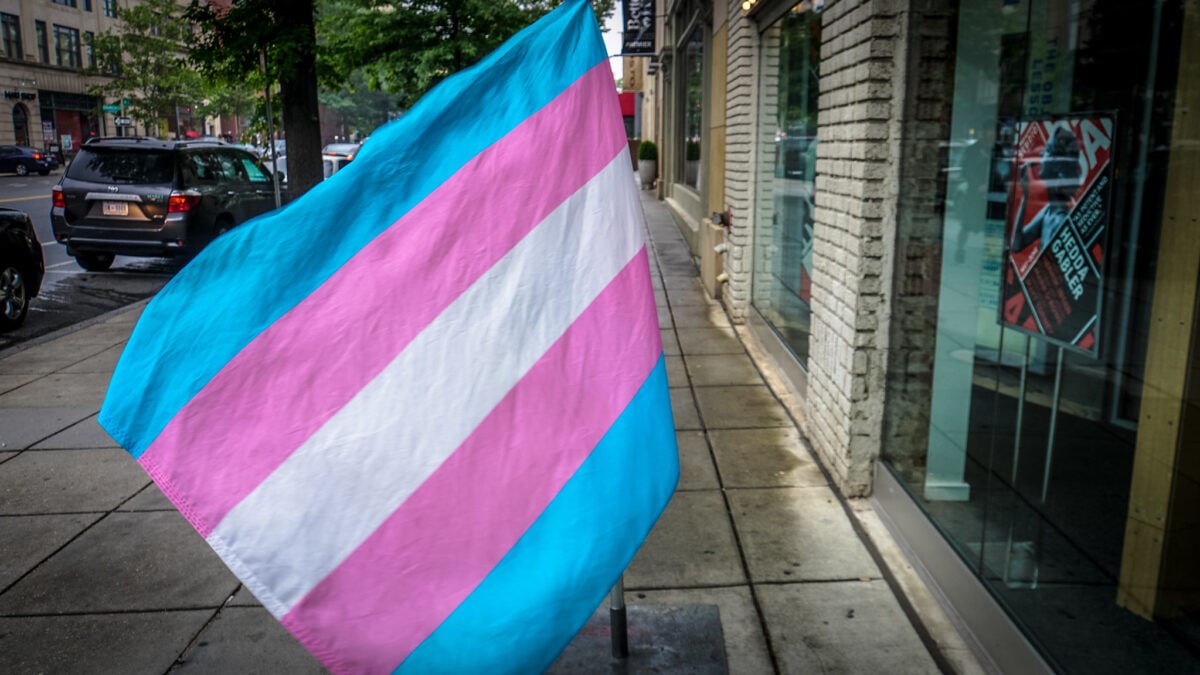
The recent mass shooting at Annunciation Catholic School in Minneapolis has reignited contentious debates surrounding transgender identity and public policy. The shooter, identified as a 23-year-old man who reportedly identified as transgender, has prompted some commentators to call for the eradication of transgenderism from public life, labeling it a destructive ideology. Such viewpoints argue that transgender-related medical, legal, and social frameworks pose a threat to public safety and societal cohesion, though these claims are not substantiated by broader statistical or psychological research.
In the wake of the tragedy, several political figures, including Minneapolis Mayor Jacob Frey, Minnesota Governor Tim Walz, Attorney General Keith Ellison, and Lieutenant Governor Peggy Flanagan, have reaffirmed their support for transgender rights, describing Minnesota and its capital as safe havens for transgender individuals. These statements have drawn criticism from some quarters, with calls for repercussions such as withholding federal funds—a strategy previously employed in other contexts, such as the Trump administration’s approach to universities accused of tolerating antisemitism or radicalism. However, legal and constitutional scholars note that conditioning federal funding on specific ideological or identity-related policies raises significant questions about federalism, free speech, and equal protection under the law.
Transgenderism, often conflated with the clinical diagnosis of gender dysphoria, refers to a diverse range of identities and experiences where an individual’s gender identity differs from the sex they were assigned at birth. Medical interventions, including hormone therapy and surgeries, are supported by major medical associations such as the American Medical Association and the American Psychological Association as evidence-based treatments for gender dysphoria, aimed at improving mental health and well-being. Research has consistently shown that access to gender-affirming care is associated with reduced rates of depression, anxiety, and suicidality among transgender individuals.
Claims linking transgender identity to violence lack empirical support. Studies indicate that transgender people are far more likely to be victims of violence than perpetrators, with data from organizations like the Human Rights Campaign and the Williams Institute highlighting disproportionately high rates of harassment, discrimination, and physical assault faced by the transgender community. Mass shootings, while devastating, are statistically rare and complex phenomena influenced by a multitude of factors including mental health, access to firearms, and social isolation, rather than identity alone.
The call to eradicate transgenderism from public life echoes historical efforts to marginalize minority groups under the guise of protecting public safety. Such proposals raise serious ethical and legal concerns, potentially violating constitutional protections including the First Amendment’s guarantee of free expression and the Fourteenth Amendment’s equal protection clause. Advocates for transgender rights emphasize that inclusive policies and protections are essential for ensuring the safety and dignity of all individuals, regardless of gender identity.
As this debate unfolds, it reflects broader societal tensions surrounding identity, rights, and the role of government in regulating personal and medical decisions. The responses from political leaders, advocacy groups, and the public will likely continue to shape policy discussions at local, state, and federal levels in the months ahead.