
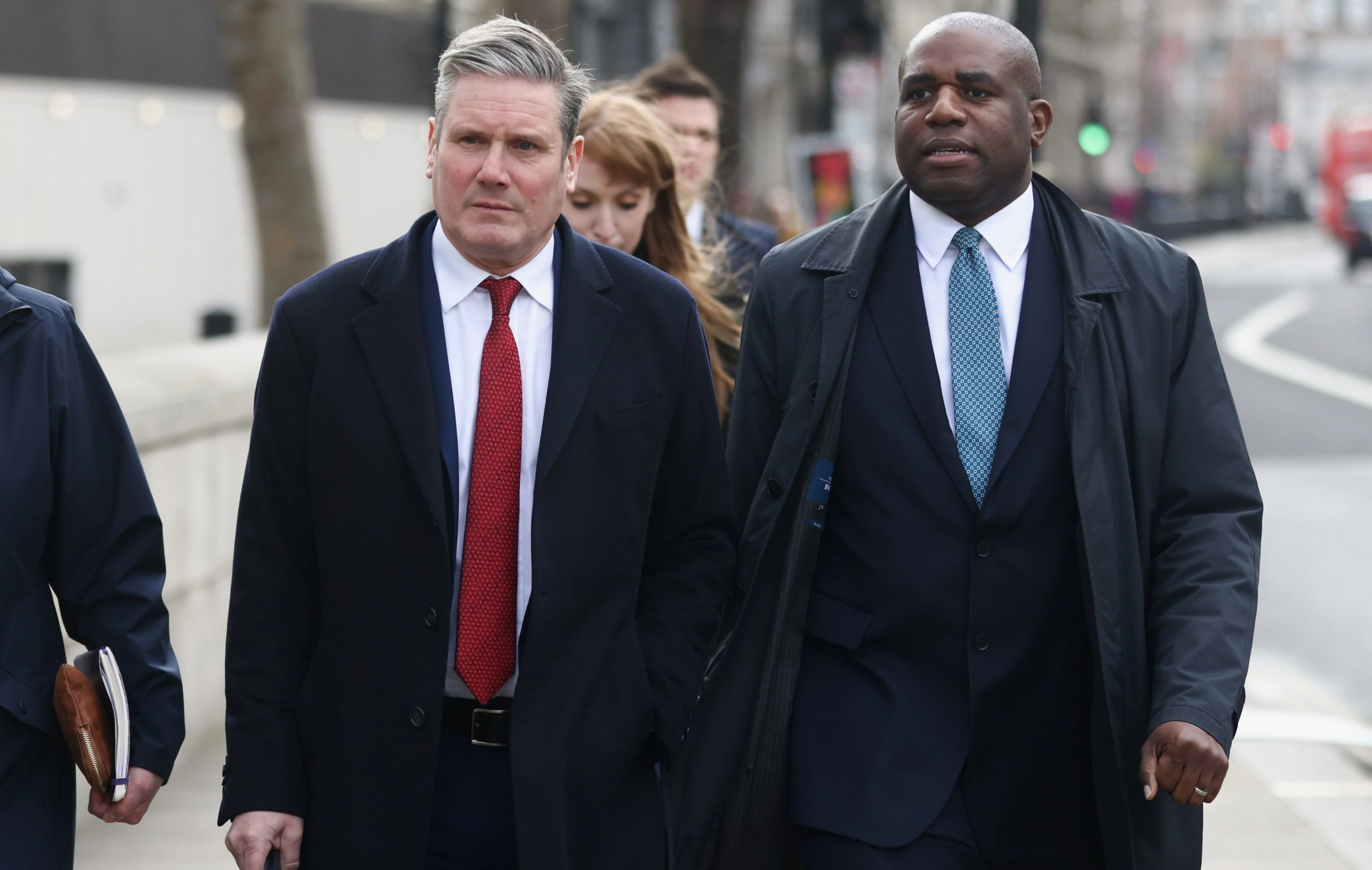
The UK government has formally concluded, based on an assessment by the Foreign Office, that Israel’s military actions in Gaza do not meet the legal definition of genocide. This determination comes amid intense international scrutiny and ongoing conflict in the region, where Israeli operations have resulted in significant civilian casualties and widespread destruction. The legal definition of genocide, as established by the 1948 Genocide Convention, requires proof of specific intent to destroy, in whole or in part, a national, ethnic, racial, or religious group. The UK’s assessment indicates that while the situation is dire, it does not find evidence of such intent on the part of Israel.
Former Foreign Secretary David Lammy, who has been vocal about the humanitarian crisis, described the civilian casualties and destruction in Gaza as “utterly appalling.” However, he emphasized that the UK’s position, informed by legal and diplomatic analysis, distinguishes between severe violations of international humanitarian law and the specific crime of genocide. Lammy’s comments reflect a broader balancing act within the UK government, which has expressed deep concern over the humanitarian impact of the conflict while maintaining its strategic and diplomatic relationships. The UK has consistently called for adherence to international law, humanitarian pauses, and increased aid access to Gaza, while stopping short of accusing Israel of genocide.
The conflict in Gaza erupted following a large-scale attack by Hamas on October 7, 2023, which resulted in the deaths of approximately 1,200 Israelis and the abduction of over 240 hostages. In response, Israel launched a comprehensive military campaign aimed at dismantling Hamas’s infrastructure and securing the release of the hostages. The offensive has led to extensive airstrikes and ground operations in densely populated areas, resulting in over 35,000 Palestinian deaths, according to Gaza health authorities, and displacing the majority of the strip’s 2.3 million residents. The high civilian toll has sparked global outcry and allegations of war crimes, with several international bodies, including the International Court of Justice, examining claims of genocide brought forward by South Africa.
The UK’s stance aligns with that of several key allies, including the United States, which has also rejected characterizations of Israel’s actions as genocide while urging greater protection for civilians. This position underscores the complex interplay between legal definitions, geopolitical considerations, and the realities of modern warfare. The assessment highlights the challenges in applying the grave charge of genocide, which carries profound historical and moral weight, to ongoing conflicts where intent is difficult to prove conclusively. As the situation evolves, the UK government continues to advocate for a sustainable ceasefire, the release of all hostages, and a political solution that ensures long-term security and stability for both Israelis and Palestinians.